Legislative Priorities
SAFE
The Municipality is committed to ensuring that Anchorage is a safe place to live, work, and visit by strengthening public safety services, supporting first responders, and investing in community-based approaches that prevent crime and promote wellbeing.
BUDGET REQUESTS 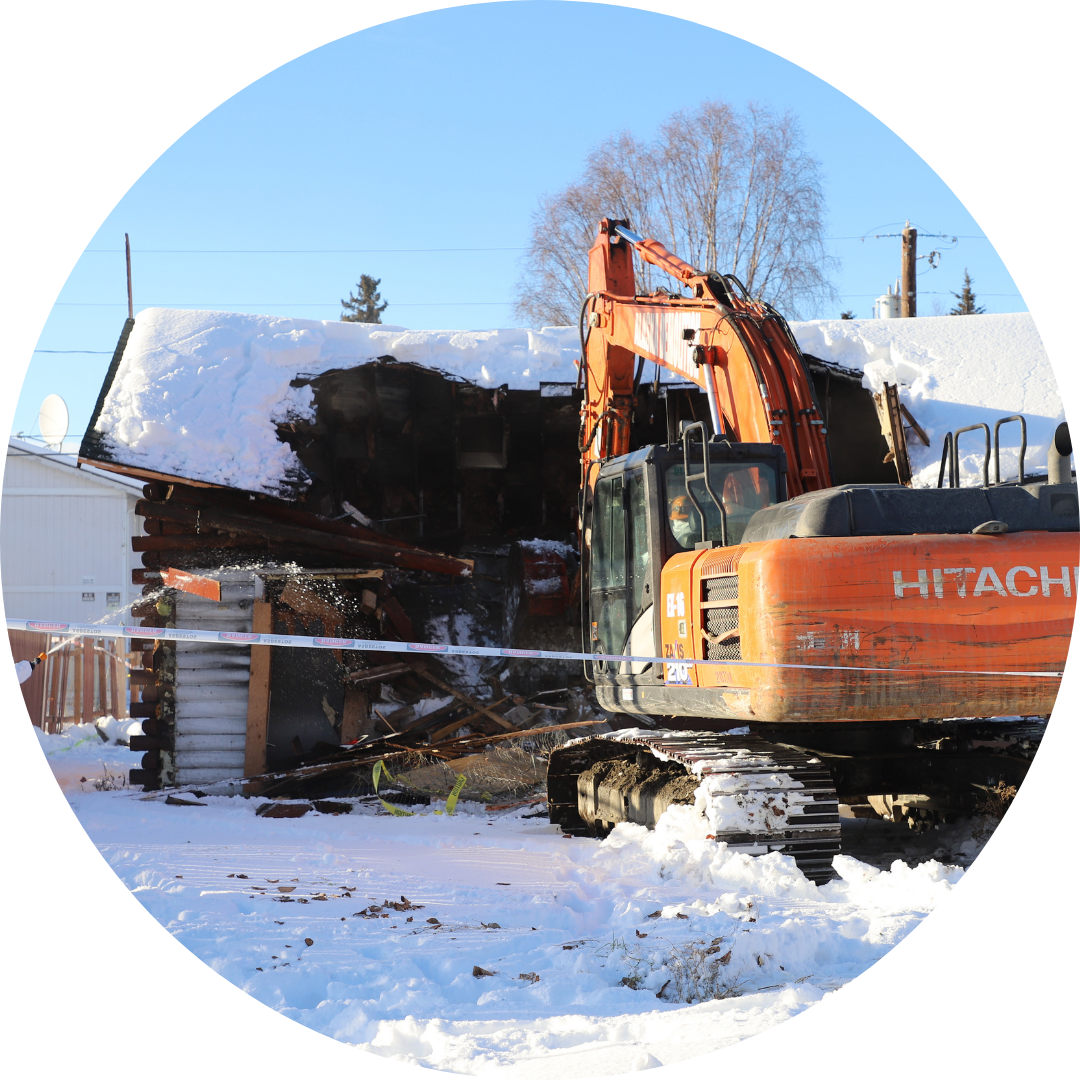
APD Real-Time Crime Center Capital | $1.5M
The Crime Center is a hub connecting up to 750 camera feeds to a centralized network, which allows for faster responses and better public safety coverage across the Municipality. $1.5 million would allow for the purchase of equipment to continue developing the center.
Blight Reduction Funding | $1M
The Municipality has targeted over two hundred derelict structures for remediation or demolition. These buildings, abandoned and left in a state of decay, become hot spots for vagrancy and drug use. They require constant attention from APD, AFD and Code Enforcement, resulting in an enormous drain of municipal resources and decreased neighborhood vitality.
Pictured right: MOA Development Services completes neighborhood blight demolitions using ARPA funds (2024).
Fund the Community Assistance Program
Make a full contribution for 2026 and fully recapitalize the Community Assistance Fund. These funds will be used to support public safety via the Police and Fire Departments, which together account for nearly half of the Municipal operating budget.
Fund Unmanned Aerial Systems for Emergency Capabilities | $200,000
A one-time $200,000 investment will allow the Municipality to launch an unmanned aircraft system (UAS) pilot program with two drones for the Anchorage Fire Department. The pilot would fund aircraft, equipment, training, and other startup costs to enable testing of early wildfire detection while improving situational awareness and evacuation monitoring. The program will also support other emergency response efforts.
STATUTORY CHANGES
Inflation Adjust E911 Surcharge
The E911 surcharge on wired and wireless lines, which supports emergency dispatch services for first responders, has not been adjusted for inflation for several years as operating costs have increased. In addition to adjusting for inflation, the Municipality requests the statute be revised to expand the allowable uses, and ensure the charge applies to voice over IP (VOIP) systems.
Restore Defined Benefit Pensions for Public Employees: HB 78 / SB 28
Public employees often leave Alaska to work in other states that offer defined benefit pensions. This has been especially difficult for police offers and firefighters in the Municipality. Pass legislation restoring defined benefit pensions for public employees to improve recruitment and retention.
SECURE
Anchorage’s future depends on resilience and secure infrastructure. The Municipality will continue to prioritize modernization of essential systems — such as public health, utilities, transportation, and the Port — to withstand disruptions and support long-term community stability.
BUDGET REQUEST
Chugach State Park Access Study | $250,000
A study will identify and guide capital projects that improve access to the park, focusing on the Chugach State Park Access Service Area (CASA). The study will consider broad stakeholder feedback and recommendations may include roadway, parking, trailhead, and trail projects.
STATUTORY CHANGES
Increase Rates for General Relief for Assisted Living
Many unhoused individuals with disabilities end up in homeless shelters that are unable to provide the support they need. An increase in the rates paid by General Relief Assistance for assisted living could help them secure a more suitable arrangement.
Amend Statutes Concerning Utility Rate Setting
Allow utilities to include more kinds of infrastructure
upgrades (“vertical plant,” like water treatment facilities, not just pipes and lines) in the Plant Replacement and Improvement Surcharge Mechanism (PRISM). This change would allow utilities to recoup costs of small capital projects through rate-setting, enabling more housing development.
ADMINISTRATIVE ACTIONS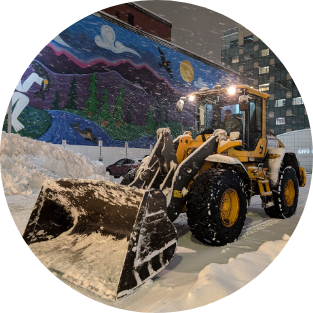
Prioritized Winter Road Maintenance Coordination
As Alaska’s hub and economic center, movement of people and goods effects all of Alaska. State-owned roads lead to and from the Port of Alaska through midtown and connect to the State Highway system and the Anchorage International Airport. These and other key state-owned routes are among the most traveled roads in Anchorage and should be equal in priority to the Seward and Glenn Highway system for winter maintenance efforts.
Pictured right: Municipal snow removal operations downtown (2024).
Fully Staff Alaska Department of Transportation and Public Facilities Central Region
Remove the hiring freeze for positions that design and manage projects to help AKDOT&PF and MOA collectively serve Anchorage and implement projects more effectively.
AFFORDABLE
Anchorage must remain a place where residents and families can afford to live and thrive. The Municipality will pursue policies that reduce the cost of living, expand housing options, and promote economic opportunity across all neighborhoods.
BUDGET REQUESTS
Waste To Energy (Renewable Energy Fund) | $2M
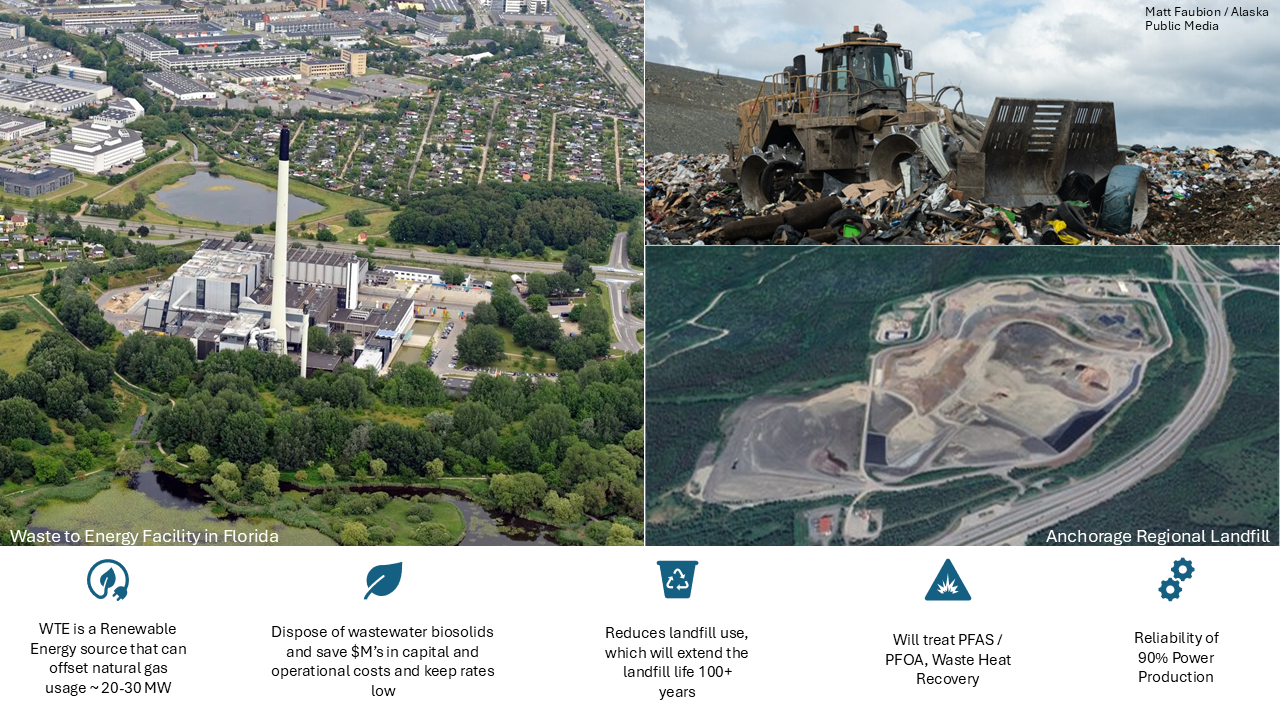
The Municipality requests $2 million through the Renewable Energy Fund for predevelopment work to inform technical specifications, site location, compliance standards, and stakeholder engagement on the Municipality’s proposed Waste to Energy (WTE) facility. The facility would generate 20-30 MW of stable, reliable power, augmenting current electrical supply, extending the life of the Anchorage Regional Landfill by up to 100 years, and providing significant benefits for Anchorage, the State, and JBER.
Weatherization Funding
With Anchorage facing potential natural gas shortages and an aging housing stock, many homes require significant energy-efficiency upgrades. Supporting a residential weatherization program for mobile homes, through Alaska Housing Finance Corporation (AHFC) or a similar partner, would provide meaningful relief for residents.
STATUTORY CHANGE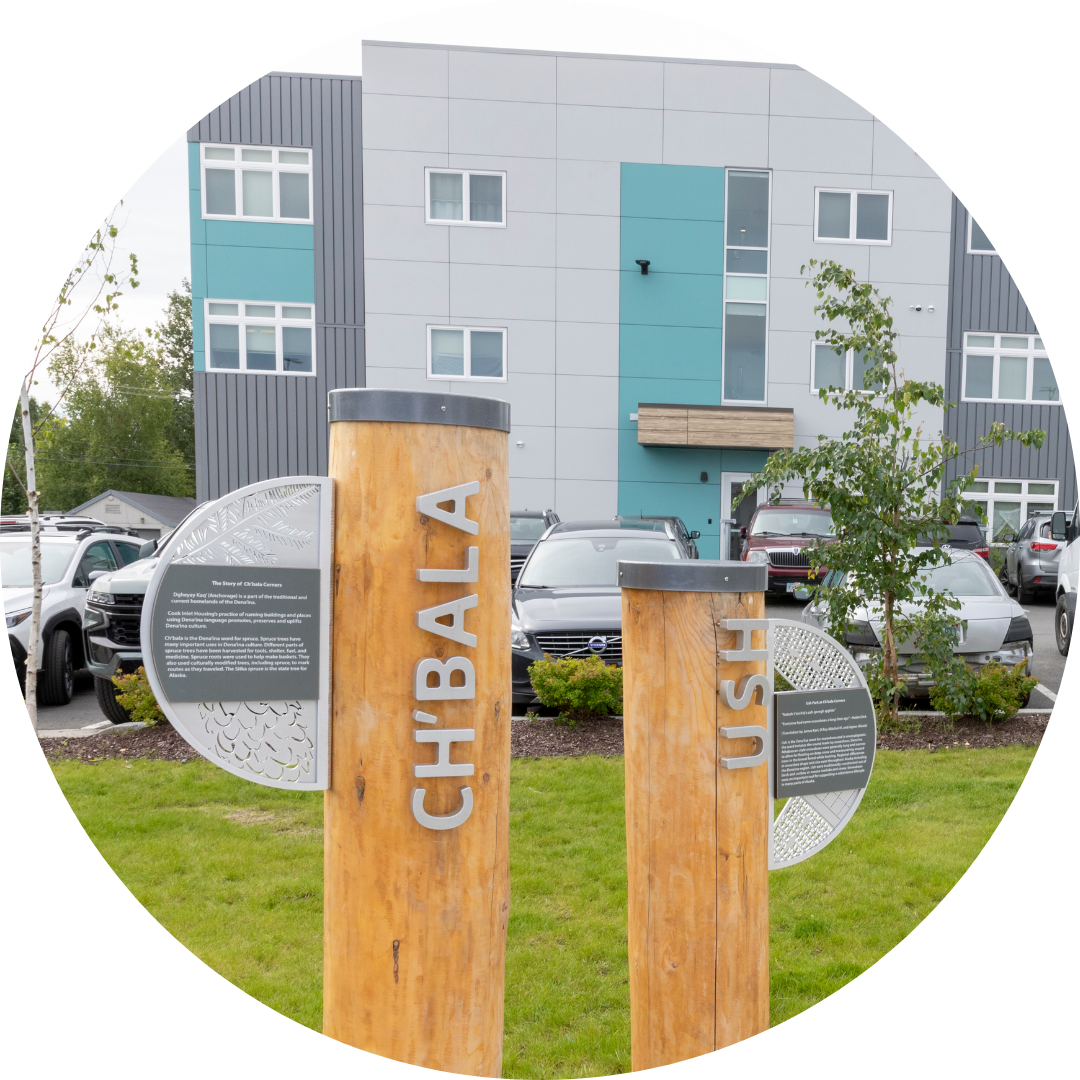
Attainable Housing
Develop new mechanisms through Alaska Industrial Development and Export Authority (AIDEA) and AHFC to provide gap financing and patient capital for housing development. Allow the AIDEA Loan Participation Program to be used for financing multifamily housing development. Increase funding available through grant programs to fund supportive and affordable housing.
Pictured right: Cook Inlet Housing Authority (CIHA) opens Ch’bala Corners in Spenard (2024). Photo courtesy of CIHA, credit to Chris Arend Photography.